Construction quality assurance: a practical guide for UK builders
A practical guide for UK builders on implementing proactive quality assurance processes to meet specifications and prevent costly defects through digital snagging and site diaries.
By James Shorter ·
Construction quality assurance: a practical guide for UK builders
What construction quality assurance actually means on site
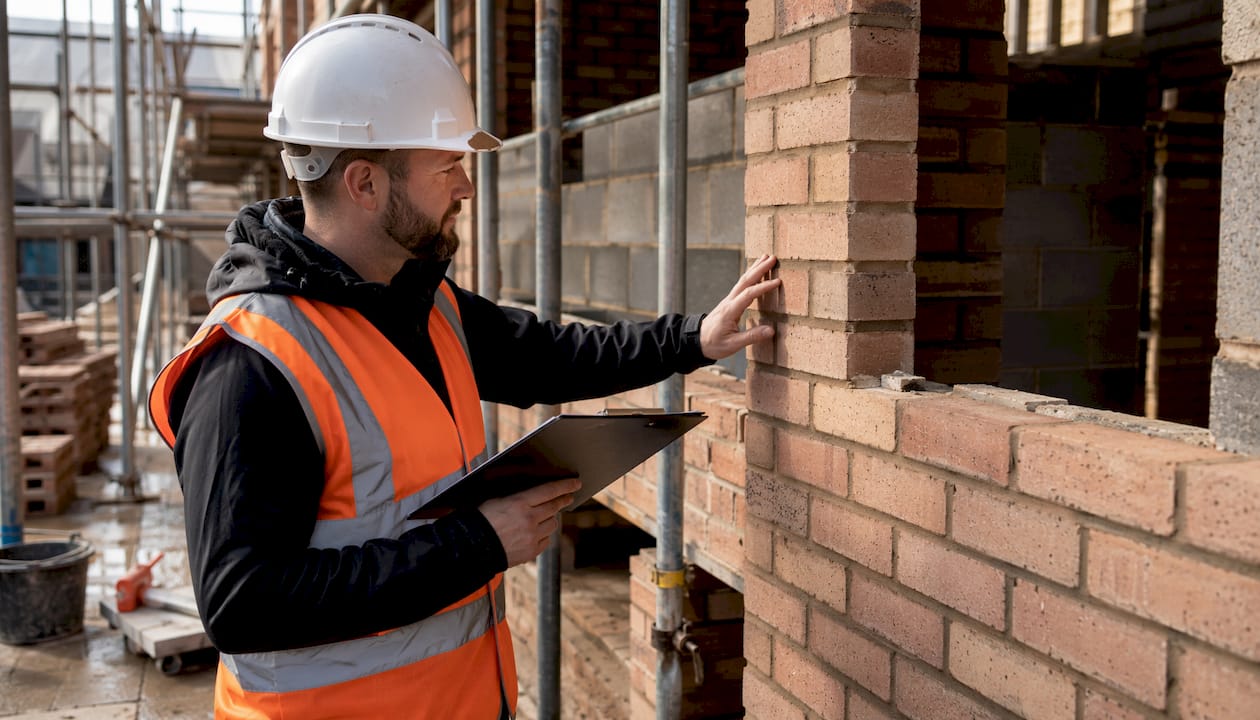
Construction quality assurance (CQA) is the structured, proactive process of verifying that every stage of a build meets agreed specifications, regulatory requirements, and client expectations before defects become costly problems. Unlike quality control, which catches failures after the fact, CQA is prevention-first.
In the UK, the framework sits across several standards and codes rather than a single piece of legislation. The CIOB Code of Quality Management is direct about this gap: unlike Health and Safety, which is governed by CDM Regulations, construction quality relies on a patchwork of contract terms, voluntary standards, and building control. That places the burden squarely on operational discipline. BS EN ISO 9001 certification is the most widely recognised quality management benchmark, and many public sector clients now require it contractually.
Key elements that underpin effective CQA on UK projects:
- Quality planning: defined responsibilities, inspection schedules, and testing requirements written into the project quality plan before work starts
- Snagging: methodical identification, recording, and rectification of defects; digital snag lists with photographic evidence and geo-tagging reduce disputes at handover
- Site diaries: daily records of progress, conditions, and instructions that form your audit trail
- Audits and inspections: internal audits aligned to ISO 9001, plus client-led service quality audits at defined intervals
- Communication: clear, documented exchanges between site teams, designers, and clients
The CQIC frames this well: quality must shift from a final-stage formality to a process embedded in every decision. That shift is where digital tools make a measurable difference.
Table of Contents
How to build a quality assurance process that actually works
Getting CQA right comes down to consistent execution across five practical areas.
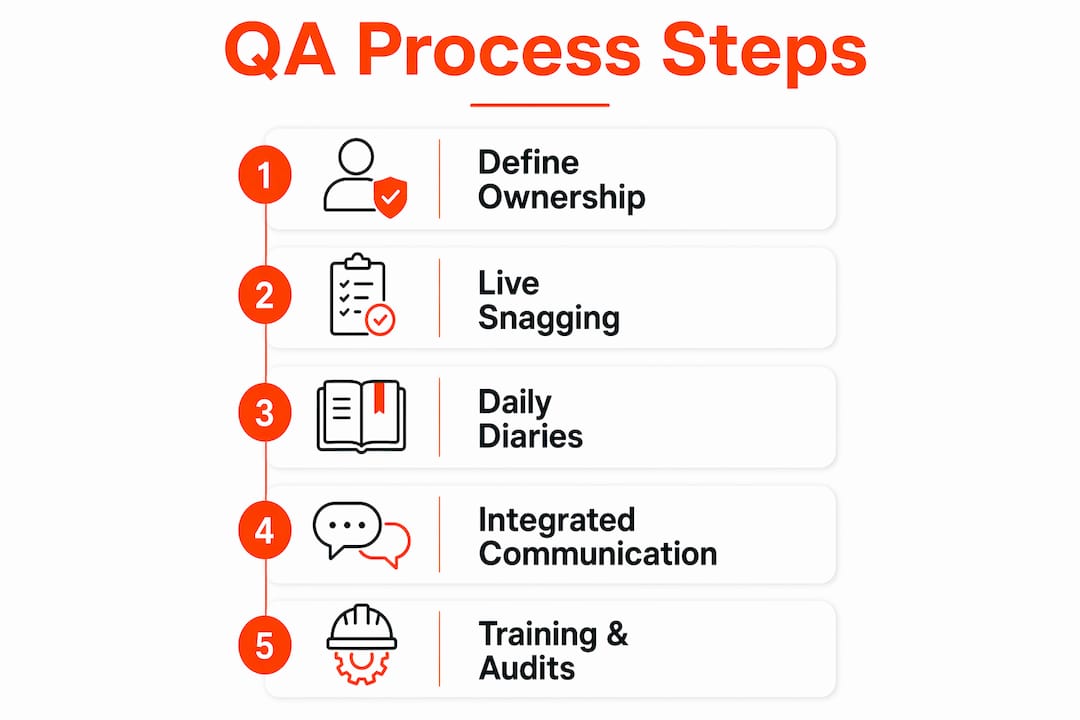
1. Define ownership before work starts. Every quality-related role, from site supervisor to specialist subcontractor, needs a named person accountable for sign-off. The CIOB recommends treating this with the same rigour as a Health and Safety plan, with clear lines of communication and robust reporting mechanisms.
2. Use snagging as a live process, not a handover checklist. Independent surveys find new homes are handed over with a substantial number of snags. Catching defects early, with each snag assigned to a specific trade package and supported by photographic evidence, prevents disputes and keeps the programme on track.
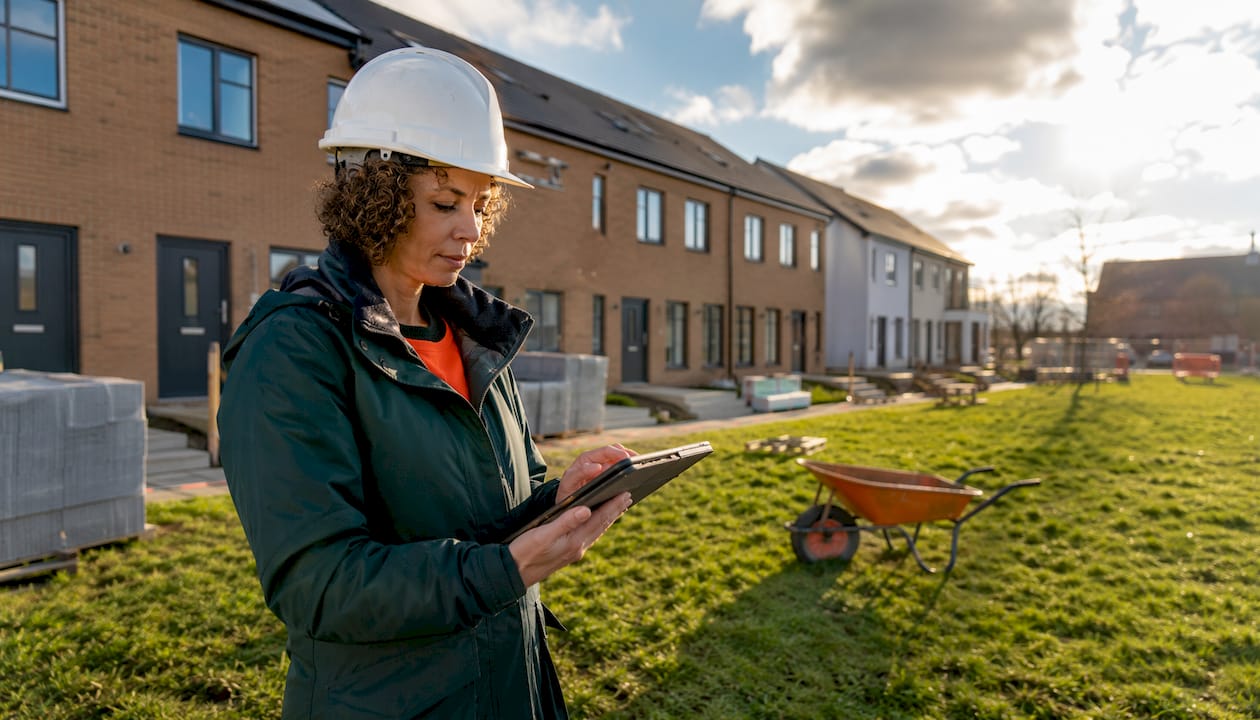
3. Maintain a site diary every day. A site diary app that auto-captures weather, labour, progress, and instructions removes the two-hour daily admin burden that manual records create. It also produces a timestamped audit trail that holds up under scrutiny.
4. Integrate communication into your QA workflow. Poor communication is one of the most common causes of rework on UK sites. Platforms that connect WhatsApp project management with structured reporting capture decisions in real time, so nothing is lost in a chat thread. BRCKS, for example, reduces rework by over 50% by automating site diaries, RFI tracking, and variation logs directly from WhatsApp conversations.
5. Train your people and audit regularly. Competency requirements for QA personnel are not optional. Qualified supervisors must be able to verify compliance at key construction stages and provide reliable progress updates. Internal audits against your quality management system should run continuously, with findings submitted promptly and corrective actions tracked.
Pro Tip: Embed your quality plan into your project kick-off meeting rather than issuing it as a document to be filed. Teams that discuss responsibilities and inspection hold points at the start consistently produce fewer defects.
For a deeper look at how site supervision and inspection contribute to quality outcomes, the principles apply directly to your QA process.
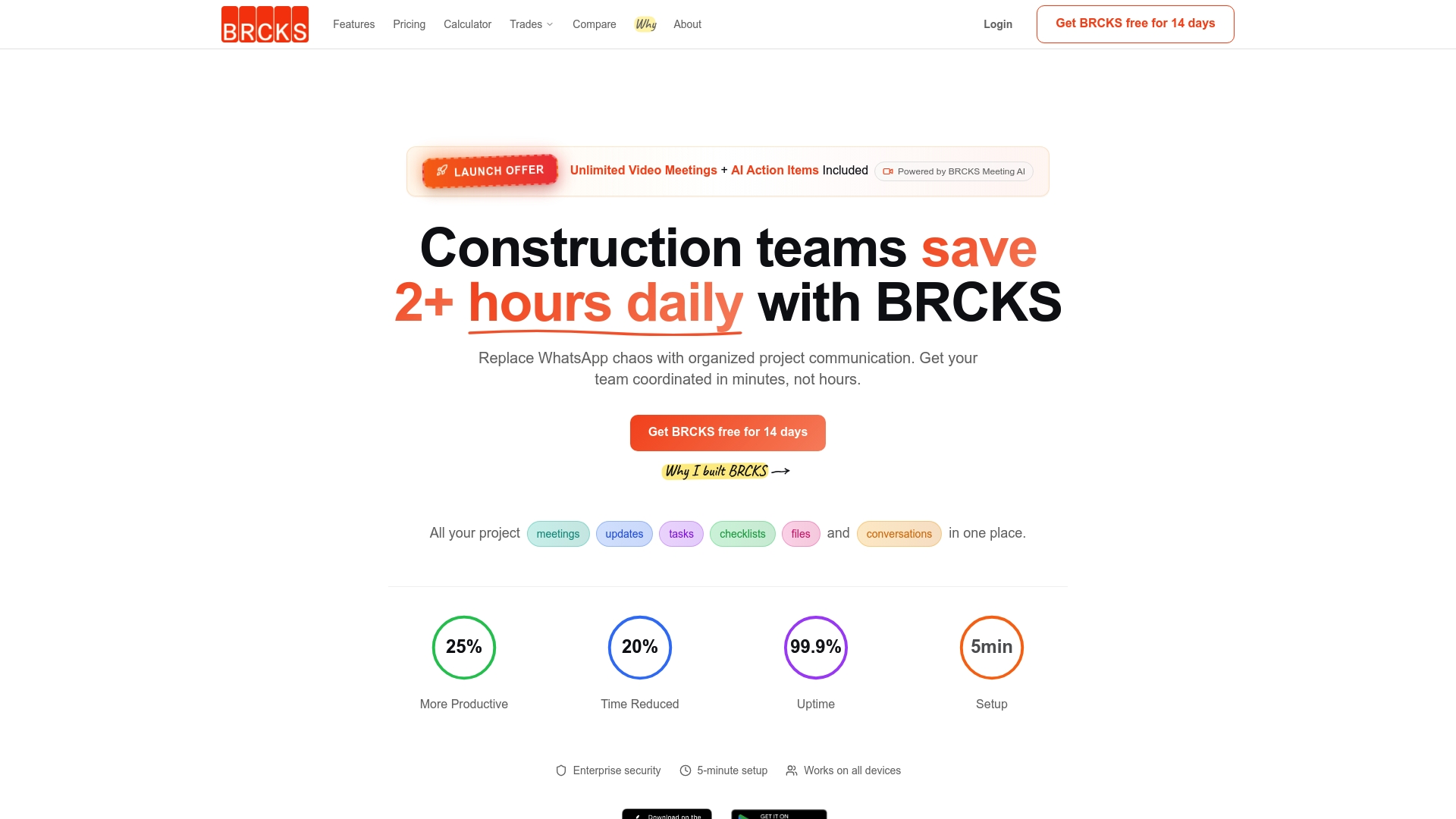
BRCKS gives UK construction teams automated site diaries, snag tracking, and WhatsApp-integrated reporting in one place. Try BRCKS free for builders and cut the admin that gets between you and a right-first-time build.
Key takeaways
Effective construction quality assurance in the UK requires defined ownership, daily documentation, early snagging, and digital communication tools that capture decisions in real time.
| Point | Details |
|---|---|
| CQA is prevention, not inspection | Quality assurance catches issues before they become defects, unlike quality control which reacts after the fact. |
| UK standards are fragmented | BS EN ISO 9001 and the CIOB Code of Quality Management are the primary benchmarks; no single regulation governs construction quality. |
| Snagging starts early | New homes commonly have a substantial number of snags at handover; catching them during construction with photo evidence reduces disputes. |
| Site diaries are your audit trail | Daily automated records protect you during disputes and satisfy client and regulatory reporting requirements. |
| Digital tools cut rework | BRCKS reduces rework by over 50% by integrating WhatsApp communication with structured QA workflows. |
FAQ
What is construction quality assurance in the UK?
Construction quality assurance is the systematic process of planning, inspecting, and documenting work to confirm it meets specifications and standards such as BS EN ISO 9001 throughout the build, not just at handover.
How does snagging fit into quality assurance?
Snagging is a core CQA activity: defects are identified, assigned to the responsible trade with photographic evidence, and tracked to resolution. Starting this process during construction rather than at practical completion significantly reduces handover delays.
Can WhatsApp be used for construction quality management?
WhatsApp alone lacks the structure needed for QA documentation, but platforms like BRCKS integrate with WhatsApp to capture site communications, auto-generate site diaries, and log RFIs and variations in a compliant, auditable format.
What qualifications do QA personnel need on UK construction sites?
Competency requirements vary by project type; for regulated infrastructure such as landfill engineering, the Environment Agency requires qualified personnel aligned to defined routes. For general construction, the CIOB Code of Quality Management sets the benchmark for training and supervision standards.
Recommended
- Snagging Inspection: The Complete UK Guide (2026) | BRCKS
- Construction Client Communication Guide for UK Projects
- BRCKS | Construction Project Communication Software
- Construction Project Management Insights | BRCKS Blog
How BRCKS Can Help
Maintaining high standards of quality assurance is essential for the long-term success and reputation of any UK building firm. By integrating BRCKS into your daily operations, you can streamline inspections, automate compliance tracking, and ensure every detail meets the required specifications without the usual administrative burden. Our platform is designed to simplify these complex processes, allowing your team to focus on delivering excellence on site. We invite you to see how BRCKS can transform your quality management by booking a demo or starting a free trial today. Learn more at BRCKS and explore our full feature set.